What Actually Builds Strength — A Conversation with Meaghan Callahan
Olympic weightlifter, personal trainer, and mom Meaghan Callahan on her journey from powerlifting to Hyrox to the snatch, why aesthetics stopped driving her training, and what it means to take up space.
Meaghan Callahan got strong by accident. A trainer ran her through a one-rep max test, told her she was built for this, and handed her a four-week powerlifting program. She has not trained without structure since.
Meaghan is an Olympic weightlifter competing in the 77kg category, a personal trainer, and a mom to a nine-year-old. She joined me on the Strengthen podcast to talk about the road from powerlifting to Hyrox to the snatch, why the shift from aesthetics to performance changed everything, and what it means to be a woman who contains multitudes.
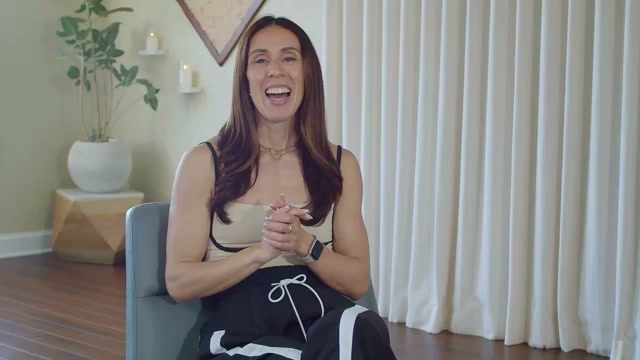 0:00
0:00 The program that changed everything
Before powerlifting, Meaghan trained the way most women are taught to train. A lot of cardio. Some weights. The goal was to look a certain way.
Then a trainer who recognized her potential wrote her a real program. Four weeks. Progressive. Structured. She was strong, stronger than she knew, and the program made that visible.
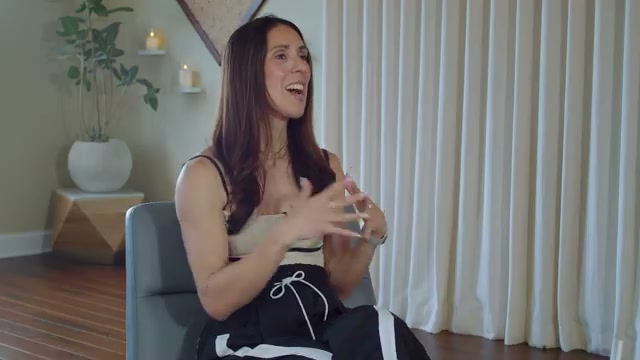 10:52
10:52 "I don't think I've ever trained one week without a coach since then."
That line is worth sitting with. Not because everyone needs a 1:1 coach, but because training without a plan is just working hard in a direction that might not be going anywhere. A program with progressive overload and a clear goal is what separates training from exercise.
When aesthetics stopped driving the car
The shift happened because of powerlifting. When your goal is a heavier deadlift next week, you stop doing the mental math on how you look. You start eating enough to recover. You start caring about sleep because your numbers go down when you don't.
Meaghan got to 180 pounds. She was moving a lot of weight. She was big, strong, and by her own account, not loving the mirror. But she was moving differently. Thinking about her body differently. The mirror stopped being the main data point.
 14:26
14:26 That is not a story about losing weight. It is a story about what happens when performance becomes the measure instead of appearance. Your relationship with food changes. Your relationship with your body changes. Not because you decided to love yourself, but because the goals shifted and the training followed.
The hunger for challenge
Meaghan moved from powerlifting to Hyrox to Olympic weightlifting. Not because one sport was better, but because she has a specific kind of brain. When she gets comfortable, she moves on. When she gets bad at something new, she has to figure it out.
Her first Hyrox race was a disaster in the best way. Her legs cramped from the knee down because she had never run like that. She finished anyway. Then she went and learned how to run.
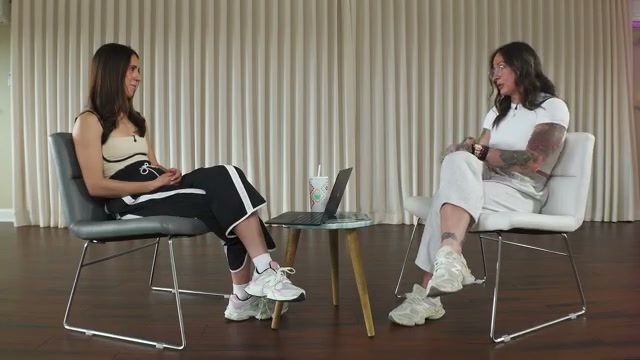 17:39
17:39 Olympic weightlifting pulled her in because it had everything she wanted at once: strength, skill, and a level of technical demand that requires complete presence. You cannot check out. You cannot muscle through a snatch. The movement forces you to be entirely in your body or the lift goes sideways. That's what she was after.
Containing multitudes
There's a Walt Whitman quote Meaghan keeps coming back to: I am large, I contain multitudes.
She used it to describe what Olympic weightlifting gave her that powerlifting and Hyrox did not. The sport had space for both the aggressive competitive side and for something that felt graceful. The mom, the trainer, the athlete, the person who finds meaning in precise technical movement. She didn't have to pick one.
 26:32
26:32 That's a useful framework for any woman navigating fitness identity. You don't have to be "the runner" or "the lifter" or the person who only does yoga now. You're allowed to want different things at different points in your training life, and you're allowed to bring all of it with you.
Why power training belongs in every program
Toward the end of our conversation, Meaghan made the case for power development as something that belongs in almost every client's program. Not Olympic lifting specifically. Power cleans, medicine ball throws, jump training: movements that train your body to generate force quickly.
Power is different from strength. Strength is how much force you can produce. Power is how fast you can produce it. For everyday life, catching yourself from a fall, getting up off the floor quickly, playing with your kids, power matters. And it declines faster with age than maximal strength does.
"You need a foundation before you go doing power movements," she said. Squats, lunges, presses, rows first. Then you build on top of that with explosive work. Not the other way around.
Lessons worth keeping
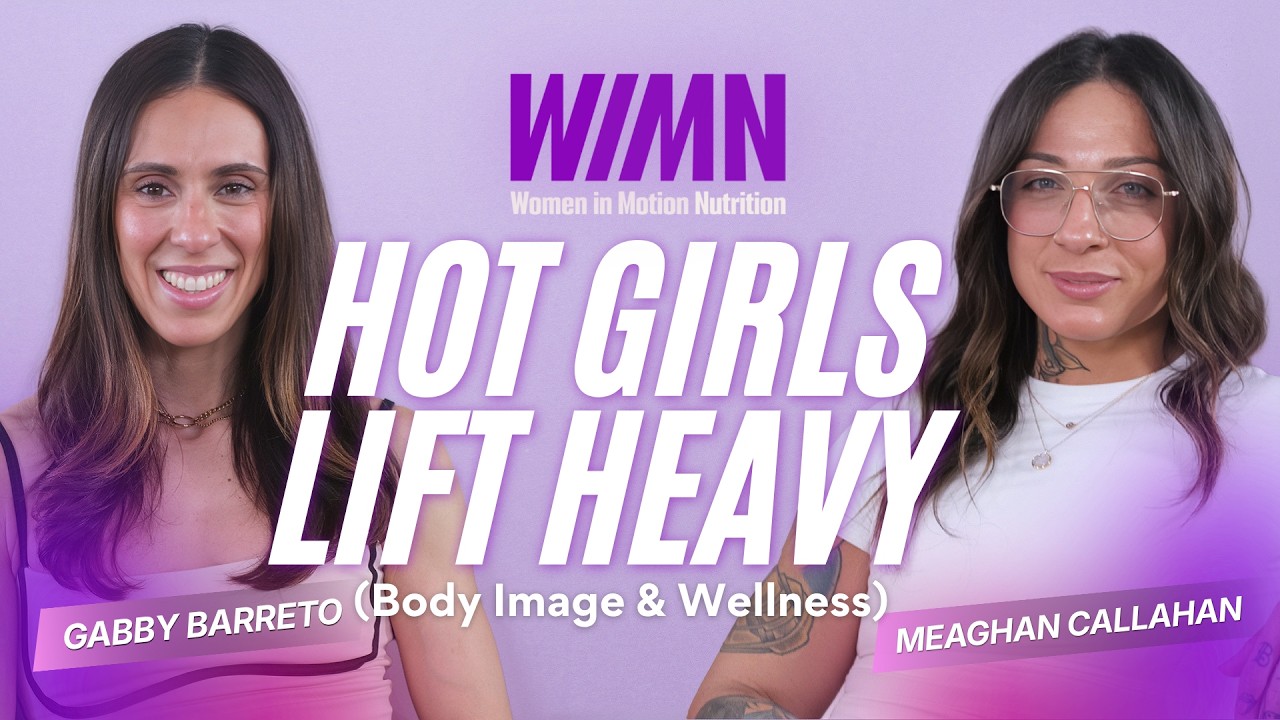
FULL EPISODE
What Actually Builds Strength — A Conversation with Meaghan Callahan
Want this for your specific situation?
The blog covers the patterns. Coaching is where we build something around you, your training, your brain, your life.