Dr. Mimi Knoll on Working Motherhood, JOMA, and Why "Superwoman" Is Not a Compliment
Radiation oncologist Dr. Mimi Knoll breaks down what it actually takes to build a career and a family without the toxic myth that you can do it all at once.
Someone calls you "superwoman" and you're supposed to feel good about it. But what does that word actually mean? It means you are doing an impossible amount of things and somehow not falling apart. That is not a compliment. That is a warning sign.
Dr. Mimi Knoll is a radiation oncologist, founder of JOMA (Jewish Orthodox Women's Medical Association), and a mom of four. She graduated medical school with two kids. She gave birth during residency. She is not superwoman. She is a woman who made very specific choices, built very specific support systems, and stopped pretending she could do everything at once. That distinction matters more than most people want to admit.
You cannot do everything at the same time
 1:53
1:53 This is the thing Dr. Knoll says out loud that most people only think privately. Having a career is a choice. Not having one is also a choice. Neither is wrong. But you have to actually choose. Drifting into a version of your life where you are half-committed to everything and fully satisfied with nothing is not balance. It is just exhaustion with better branding.
She grew up watching two physician parents work, contribute to their community, and raise a family. She still questioned whether she could do it. That is how loud the messaging is. Even with a living example in front of her, the noise from inside and outside her community said: this is going to be too hard, no one will marry you, you will not be a good mother. She did it anyway. But she is clear that doing it anyway required real tradeoffs, not a magic productivity system.
The "superwoman" label is doing harm
 11:57
11:57 When Dr. Knoll lists what she did — took two weeks off after her second child, five weeks after her third, two weeks after her fourth — people call her superwoman. She pushes back on that every time. Not because she is being modest. Because the label erases the actual conditions that made it possible: healthy pregnancies, a husband in the same field who understood the demands, family support, luck. Real luck. Things that had nothing to do with her willpower.
When we put "superwoman" on a pedestal, we quietly tell every woman whose pregnancy was complicated, whose support system is thin, whose body needed more time, that she just didn't want it badly enough. That is a lie. Stop calling each other superwoman. Start asking what support actually looks like.
Why she built JOMA
 12:43
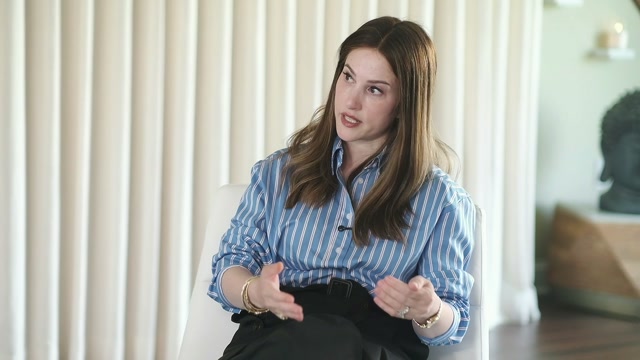
12:43 JOMA started because a woman reached out on Instagram and said she had never met a religious Jewish woman in medicine before. Dr. Knoll knew there were hundreds of them. They just were not visible to each other.
That is the problem JOMA solves. Not inspiration. Connection. Young women considering medicine in Orthodox Jewish communities face a specific set of pressures: getting married young, having children early, maintaining religious practice, meeting community expectations, all while trying to build a career that takes a decade of training before it pays off. Finding someone who has done it, who looks like you, who shares your values, who can say "here is what it actually looks like" — that changes what feels possible.
Representation is not a buzzword here. It is a functional tool. You cannot picture yourself doing something you have never seen done.
Comparing yourself to other women is not a strategy
 12:22
12:22 Dr. Knoll is direct about this: you are not somebody else. Your timeline is not her timeline. Your body, your family structure, your community, your finances — none of it is identical to the woman you are holding yourself up against. What worked for her, at that specific moment, with those specific resources, is not a blueprint. It is one data point.
The goal is not to do what the most impressive woman in your feed did. The goal is to figure out what you actually need right now and build around that. That requires dropping the comparison and getting very honest about your actual life, not the version you are performing for other people.
Takeaways worth keeping
If you are trying to figure out how to take better care of yourself while managing a full life, a demanding career, and a brain that does not slow down, start with the basics. Take the ADHD + Nutrition Scorecard and find out where your nutrition is actually working for you and where it is not.
---
FULL EPISODE
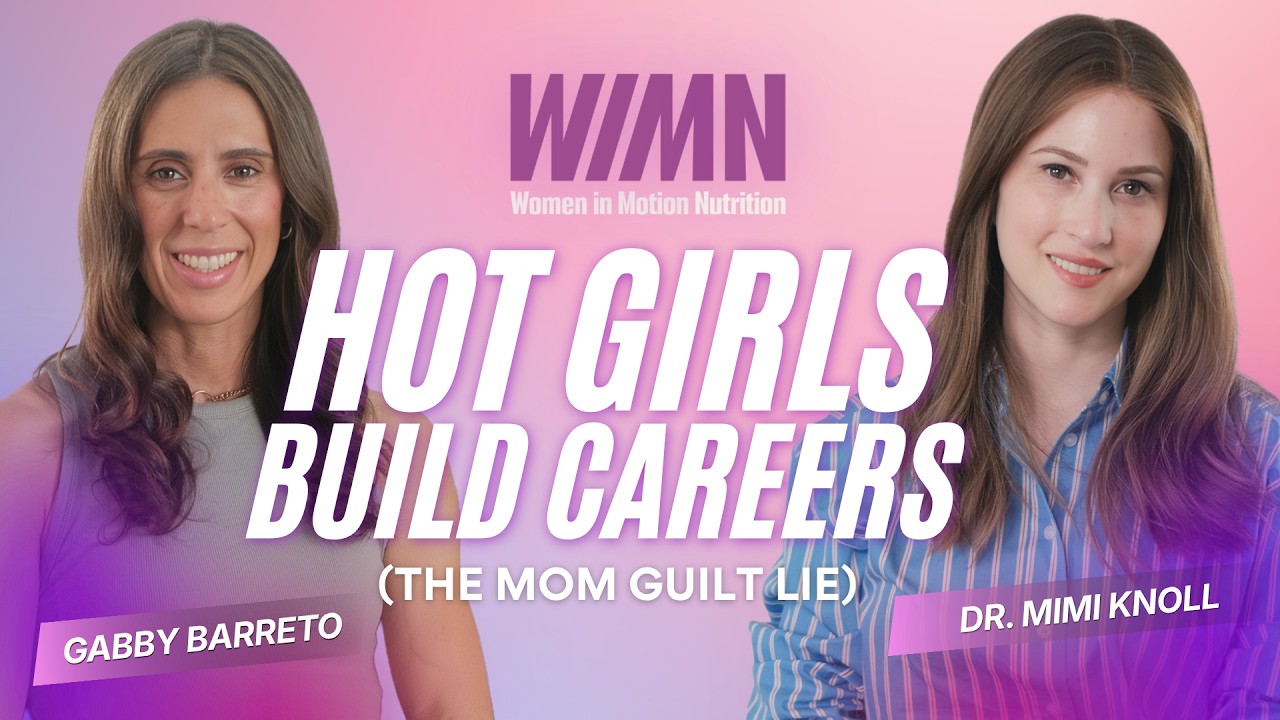
Dr. Mimi Knoll on Working Motherhood, JOMA, and Why "Superwoman" Is Not a Compliment
Want this for your specific situation?
The blog covers the patterns. Coaching is where we build something around you, your training, your brain, your life.